
Top Products For Brick Step Repairs To Restore Durability
Discover essential tools and materials to effectively repair and reinforce brick steps for long-lasting results.
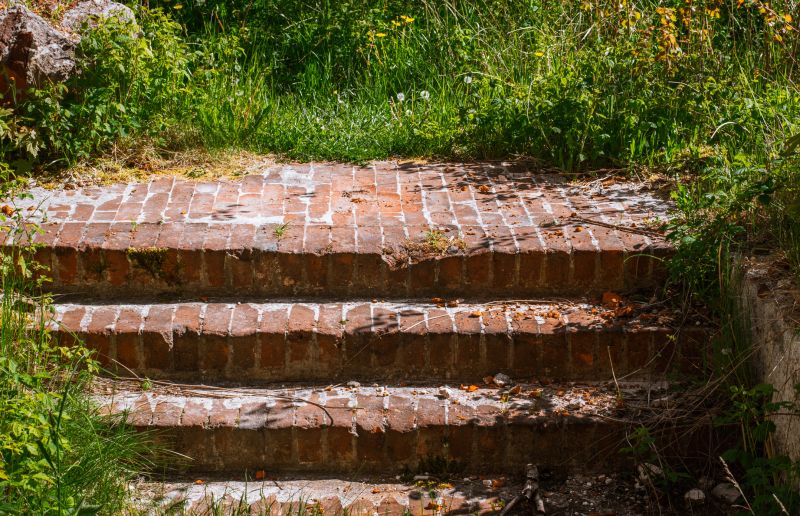 Brick step repairs are essential for maintaining the safety, functionality, and aesthetic appeal of outdoor stairways. Over time, exposure to the elements, foot traffic, and shifting ground can lead to cracked, chipped, or uneven bricks. Addressing these issues promptly can prevent further deterioration and potential hazards. Various products are available to facilitate effective repairs, each suited to different types of damage and repair preferences. From patching compounds to replacement bricks, selecting the right materials can ensure a durable and visually cohesive result.
Top Overall Option
Versatile Brick Repair Compound
A highly adaptable repair compound suitable for filling cracks, chips, and small holes in brick steps. It offers excellent adhesion, weather resistance, and ease of application, making it a reliable choice for both minor and moderate repairs. Its compatibility with various surfaces ensures a seamless finish that can be painted or sealed for added protection.
Types of Products For Brick Step Repairs
Concrete Patch and Repair Mix
Ideal for filling larger cracks and rebuilding damaged sections of brick steps, providing structural stability and durability.
Brick Replacement Bricks
Pre-cut or custom-cut bricks designed for replacing damaged or missing bricks to restore the original appearance.
Polymer-based Masonry Repair Sealers
Sealers that penetrate and protect repaired areas, enhancing weather resistance and preventing future damage.
Hydraulic Cement
Fast-setting cement ideal for sealing cracks and stopping water ingress in brick steps.
Mortar Mix for Masonry
Specialized mortar designed for bedding and jointing bricks, ensuring structural integrity.
Color-matched Brick Fillers
Fillers that blend seamlessly with existing bricks to repair chips and small cracks aesthetically.
Epoxy Resin for Masonry
High-strength epoxy used for bonding broken bricks or filling deep cracks with excellent adhesion.
Sealant Caulks for Masonry
Flexible sealants suitable for sealing joints and preventing water infiltration around brick steps.
Waterproofing Masonry Sealers
Protects brick surfaces from water damage and prolongs the lifespan of repairs.
Brick Cleaning and Preparation Solutions
Cleaning agents that prepare the brick surface for repair by removing dirt, moss, and efflorescence.
Flexible Repair Mortars
Mortars designed to accommodate slight ground movement, reducing cracking over time.
Self-leveling Repair Compounds
Compounds that fill uneven surfaces and create a smooth, level repair area.
Outdoor Masonry Paints
Paints formulated for masonry surfaces to improve appearance and add an extra layer of protection.
Expansion Joint Filler
Materials used to fill expansion joints, allowing for movement without cracking.
Popular Choices
A versatile paste suitable for quick fixes on chipped or cracked bricks, offering ease of use and reliable adhesion.
Convenient pre-mixed mortar that simplifies the repair process for larger masonry projects.
Spray sealants that provide a protective barrier against moisture and weathering.
Epoxy putty that molds easily for filling gaps and bonding broken bricks with flexibility.
Flexible caulk that blends with brick colors, ideal for sealing joints and cracks.
Fast-setting cement suitable for sealing leaks and repairing structural cracks.
Durable paint designed for masonry surfaces, enhancing appearance and providing weather resistance.
A repair compound suitable for filling cracks and restoring damaged brick surfaces.
Flexible sealant formulated for sealing joints and preventing water infiltration.
A fast-curing mortar mix for time-sensitive repairs requiring quick results.
Specialized solution for removing white deposits from brick surfaces before repairs.
When undertaking brick step repairs, it is important to assess the extent of the damage. Minor cracks and chips might be remedied with specialized patching compounds or mortar mixes, while more significant damage could require removing and replacing individual bricks. Proper surface preparation, including cleaning and removing loose debris, is critical for ensuring good adhesion of repair materials. Additionally, selecting products that match the existing brick color and texture can help maintain the overall appearance of the steps.
Durability and weather resistance are key considerations when choosing repair products. Many repair compounds are formulated to withstand freeze-thaw cycles, moisture, and temperature fluctuations, which are common in outdoor environments. For larger repairs, using mortar mixes designed for structural stability can provide long-lasting results. For aesthetic touch-ups, color-matched fillers and sealers can help blend repairs seamlessly into the existing brickwork. Proper application and curing are vital steps to achieve optimal results and extend the lifespan of the repair work.
Key Buying Considerations
- Assess the extent of damage to determine whether repairs are minor or require replacement.
- Choose products compatible with existing brick and mortar materials for seamless repairs.
- Consider weather resistance and durability, especially for outdoor use where exposure to elements is constant.
- Select repair materials that match the color and texture of the existing brickwork for aesthetic consistency.
- Evaluate the curing time of repair compounds to align with project timelines.
- Ensure the repair products are suitable for the specific type of damage, such as cracks, chips, or structural issues.
- Look for products that offer flexibility to accommodate ground movement and prevent future cracking.
- Check if the repair compounds are easy to apply with common tools, especially for DIY projects.
- Prioritize products with good adhesion properties to ensure long-lasting repairs.
- Consider whether additional protective coatings or sealers are needed post-repair for enhanced longevity.
- Review the product instructions and safety data sheets to ensure proper application and handling.
- Think about the environmental conditions, such as freeze-thaw cycles, that the repaired area will face.
- Determine if color-matching options are available for aesthetic repairs.
- Factor in the size of the repair area to select appropriately sized quantities of repair materials.
- Research customer reviews and ratings to gauge product performance and satisfaction.
This page contains affiliate links. We may earn a commission if you purchase through these links at no additional cost to you.